
Cart-Based Upsells: The Hidden Shopify Revenue Lever
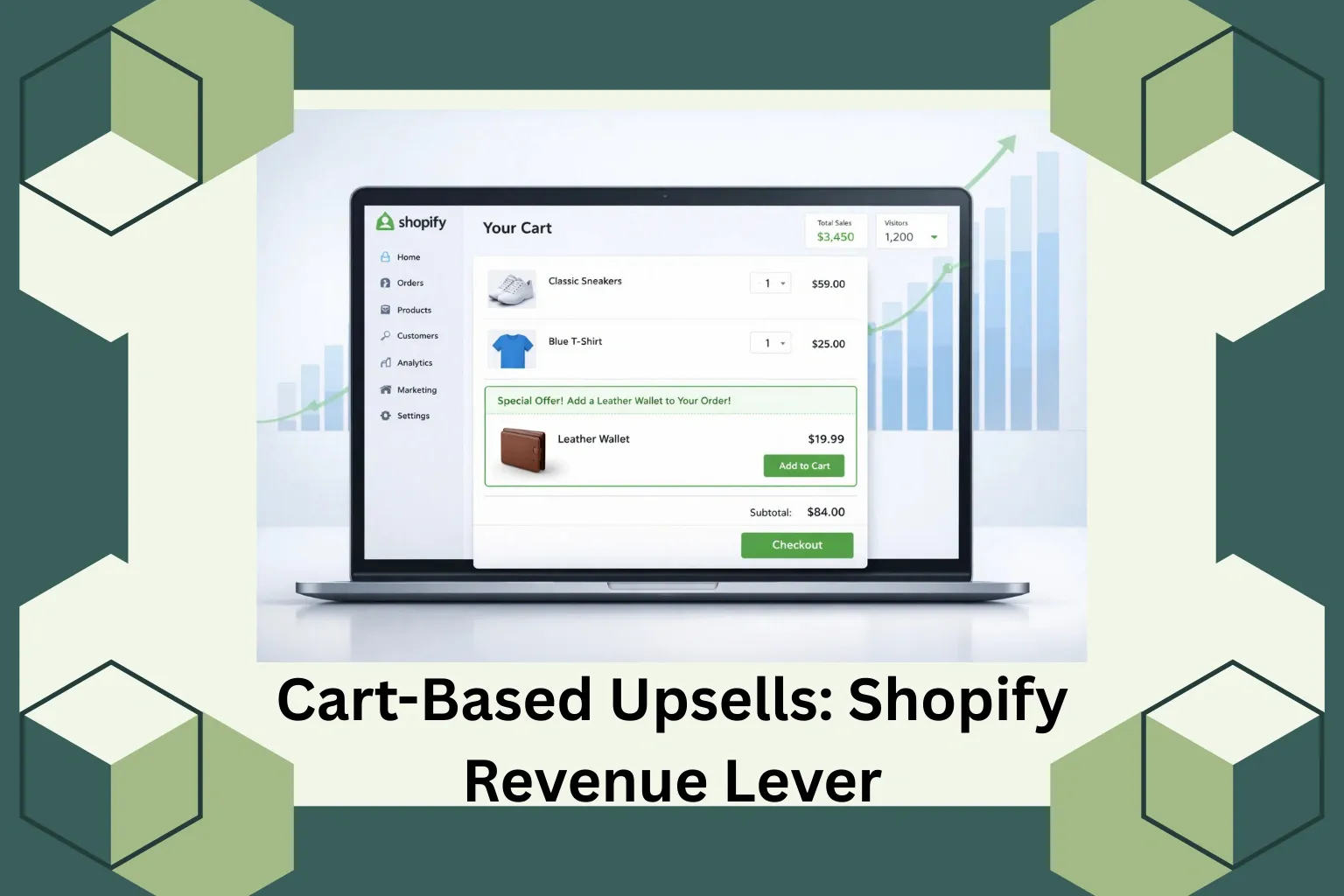
If you run a Shopify store, you likely focus heavily on traffic acquisition. Ads, influencers, SEO, and email marketing all aim to bring visitors in. But once someone reaches your cart, something powerful happens: they’ve already decided to buy.
That moment is where many stores miss opportunity.
This guide explains what cart-based upsells are, why they work, how they differ from product page upsells, and how to implement them in a way that improves revenue without hurting customer experience.
This article was written by the AeroApps growth team, based on direct experience working with Shopify merchants and testing upsell placements across different verticals including fashion, home goods, and digital accessories.
Why Cart-Based Upsells Matter More Than You Think
According to Shopify’s own merchant education resources, increasing average order value (AOV) is one of the most reliable ways to grow revenue without increasing ad spend. When acquisition costs rise, improving conversion value becomes more profitable than chasing more traffic.
A simple example:
- 1,000 monthly visitors
- 3% conversion rate
- $50 average order value
Revenue = $1,500
If you increase AOV to $65 without increasing traffic, revenue becomes $1,950. That’s a 30% revenue lift without new visitors.
Cart-based upsells directly influence AOV at the moment of highest purchase intent.
What Are Cart-Based Upsells?
Cart-based upsells are additional product offers shown inside the shopping cart, after a customer has added an item but before checkout.
They are different from:
- Product page add-ons (shown before add-to-cart)
- Post-purchase upsells (shown after payment)
- Email cross-sells (sent after order completion)
Cart-based upsells appear when buying intent is already strong. The shopper has committed enough to open the cart. This reduces resistance.
Common cart-based upsell formats include:
- Frequently bought together suggestions
- Add-ons with small discounts
- Free shipping threshold reminders
- Limited-time cart offers
- Bundled accessories
The psychology behind this works because of commitment consistency. Once someone commits to a purchase, they are more likely to accept related offers that improve their main purchase.
Why Cart Placement Converts Better Than Product Page Upsells
From our testing across Shopify stores, we observed something consistent: product page upsells often distract. Cart-based upsells feel like enhancements.
Here’s why.
1. Reduced Cognitive Load
On product pages, customers evaluate price, reviews, shipping, and features. Adding upsells too early can overwhelm.
In the cart, evaluation is mostly complete.
2. Clear Intent Signal
Cart interaction is a behavioral signal of purchase intent. That makes upsells more relevant and less intrusive.
3. Higher Perceived Relevance
If the cart already contains a camera, suggesting a memory card inside the cart feels helpful, not pushy.
Relevance determines conversion.
The Data Behind Upselling
While results vary by niche, multiple ecommerce industry studies show upselling and cross-selling can significantly increase revenue.
For example, research published by McKinsey notes that cross-selling strategies can drive meaningful revenue increases when implemented thoughtfully and contextually.
The key word is thoughtfully.
Aggressive popups and irrelevant bundles can reduce trust and hurt conversions.
Types of Cart-Based Upsells That Work
Not all upsells perform equally. Based on implementation across Shopify merchants, here are the strongest-performing formats.
Frequently Bought Together Bundles
These replicate Amazon-style product pairings. They work best when the products naturally complement each other.
Example:
- Phone case + screen protector
- Coffee machine + premium filters
Bundles should feel practical.
Small Add-On Upgrades
Low-friction add-ons convert well.
Example:
- Gift wrapping
- Extended warranty
- Express processing
The add-on should not exceed 20–30% of the main product price in most cases.
Cart-Based Triggered Offers
Behavior-based triggers perform strongly when personalized.
Examples:
- Add free shipping when cart reaches $75
- Apply 10% discount for adding a second item
These incentives encourage cart expansion.
Limited-Time Offers
When time sensitivity is authentic and clearly communicated, urgency can lift AOV. Countdown messaging should always be truthful and not artificially reset.
Transparency builds trust.
Mistakes to Avoid
In reviewing dozens of Shopify implementations, these mistakes frequently reduce performance.
Showing Too Many Offers
One relevant offer performs better than three random suggestions.
Poor Visual Hierarchy
Upsells should not overpower the checkout button.
Irrelevant Pairings
If you sell minimalist jewelry, do not show unrelated clearance items in the cart.
Forced Discounts That Hurt Margin
Upselling should increase profit, not sacrifice it. Always calculate contribution margin before applying cart discounts.
How to Measure Cart Upsell Success
Implementation without measurement is guesswork.
Track:
- Average Order Value
- Cart Conversion Rate
- Upsell Acceptance Rate
- Revenue Per Visitor
Use Shopify analytics or export data to analyze performance over 30–60 days.
A small AOV increase with stable conversion rate indicates success.
If conversion drops, your offer may be distracting or poorly positioned.
Implementation Best Practices on Shopify
Technically, Shopify’s default cart functionality is limited. Most stores require an app to create dynamic cart-based offers.
When evaluating tools, ensure:
- Cart-triggered logic support
- Percentage or fixed discount flexibility
- Clean UI customization
- Theme compatibility
- No page speed impact
Page speed matters. According to Google’s Web Vitals guidance, performance affects conversion. Avoid heavy scripts.
Real-World Example
A mid-sized apparel brand we worked with implemented a cart-based “Buy 2, Get 10% Off” offer.
Before implementation:
- AOV: $62
After 45 days:
- AOV: $74
- Conversion rate stable
Revenue increased without increased ad spend.
The offer worked because it aligned with buying behavior. Customers often purchased multiple items anyway.
Ethical and Experience-First Upselling
Cart-based upsells should help customers, not manipulate them.
Always:
- Be transparent about discounts
- Avoid fake scarcity
- Respect user control
- Allow easy removal of add-ons
Trust compounds over time.
Short-term manipulation damages long-term brand equity.
Final Step: How AeroApps Helps You Implement Cart-Based Upsells
AeroApps includes tools specifically built to help Shopify merchants increase average order value without coding.
Based on the AeroApps product profile:
- Aero Upsell & Bundle enables frequently bought together bundles and product add-ons shown directly in cart
- It supports cart-based triggers, percentage discounts, fixed discounts, and free shipping incentives
- Offers are customizable in messaging and design, allowing alignment with your brand
Additionally:
- Aero Volume Booster allows tiered pricing and bulk discount campaigns, which can be integrated into cart strategies
These tools were designed for merchants who want control without development complexity.
If your goal is to increase revenue without increasing traffic, cart-based upsells are one of the most practical levers available.
The opportunity is already in your cart.
Use it wisely.

Leave a Reply