How to Build a High-Converting Shopify Store
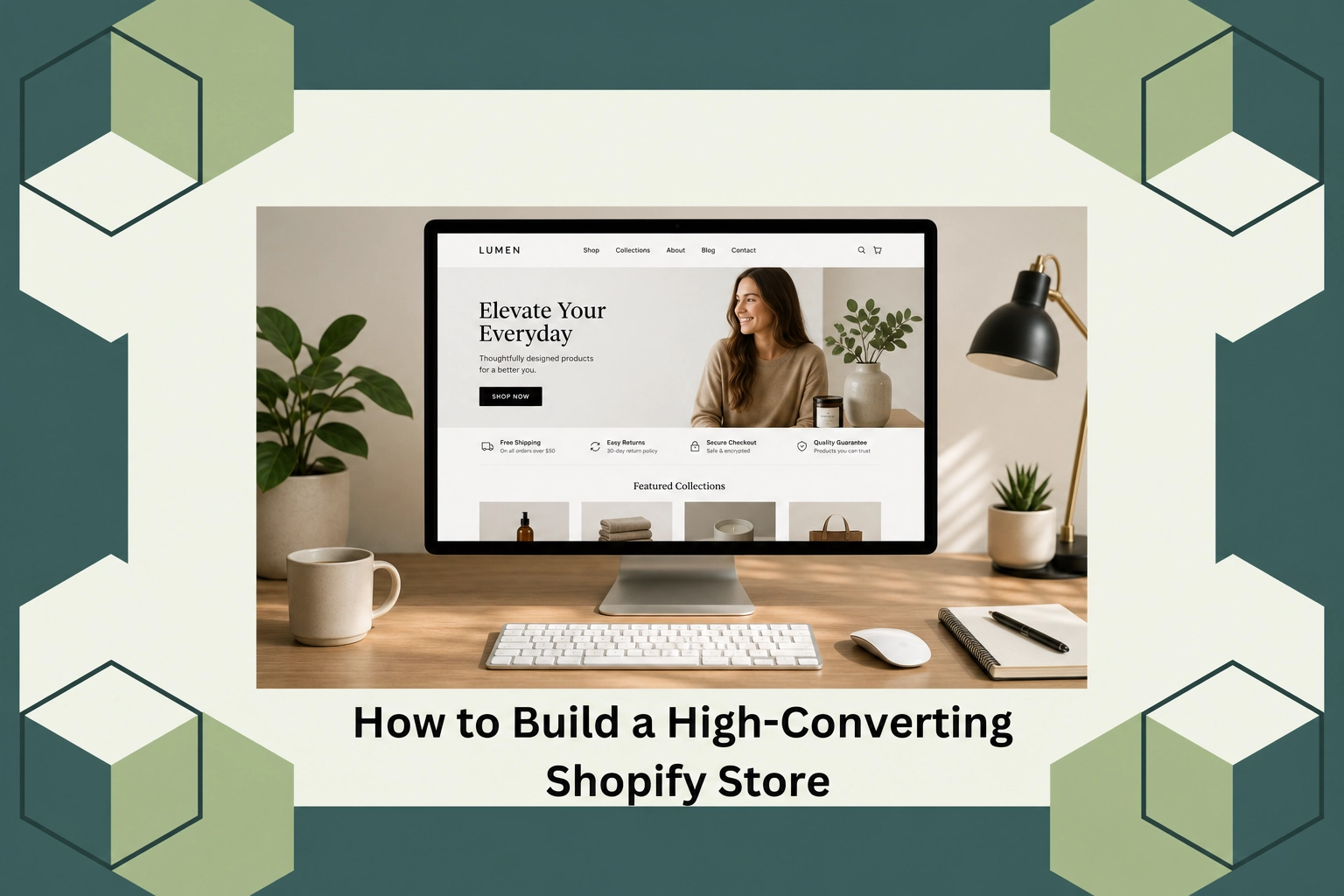
How to Build a High-Converting Shopify Store
Introduction
The e-commerce market is growing rapidly, with Shopify reporting that over a million businesses worldwide rely on their platform. In this competitive landscape, converting visitors into customers is crucial for success. With so many stores available, distinguishing yours requires strategic planning and implementation.
For Shopify store owners, maximizing conversions involves more than just fantastic products. It requires an understanding of consumer behavior, strategic design choices, and effective tools that streamline the user experience. This article will guide you through building a high-converting Shopify store, outlining the essential elements needed for success.
What Is a High-Converting Shopify Store?
A high-converting Shopify store refers to an online store that effectively turns its visitors into paying customers. The conversion rate measures how well a store achieves this goal, considering factors like user experience, trust elements, marketing strategies, and more.
These stores are incredibly important for anyone selling products online as they directly affect profitability. Whether you’re a new Shopify entrepreneur or a seasoned e-commerce pro, understanding how to optimize your store’s conversion rate is critical to reaching your business goals.
The need for such stores arises from consumer expectations and competitive pressures. With numerous options available to consumers, your store must provide a seamless, intuitive, and enjoyable shopping experience to succeed.
7 Strategies to Build a High-Converting Shopify Store
Achieving a high conversion rate involves various strategies. Below are seven crucial elements you ought to consider:
- Mobile Optimization: With mobile commerce booming, ensuring your Shopify store is mobile-friendly is non-negotiable. A mobile-optimized store is perfect for businesses targeting on-the-go shoppers, using responsive design to engage users on any device. Practical detail: Use Shopify themes designed specifically for mobile.
- User-Friendly Navigation: A simple, clear navigation setup helps users find what they need without hassle. It suits stores with a wide range of products where quick access is key. Practical detail: Limit menu categories to no more than seven at the top level.
- High-Quality Images and Descriptions: These elements help build trust and persuade visitors about product quality. Ideal for businesses prioritizing visual appeal, they ensure your products are showcased effectively. Practical detail: Use professional photography and detailed descriptions to highlight features.
- Social Proof and Reviews: Leveraging customer feedback can significantly build credibility. It’s especially useful for new stores establishing trust with first-time buyers. Practical detail: Highlight testimonials and reviews on product pages.
- Fast Load Times: 53% of users abandon a site that takes more than 3 seconds to load, according to studies. Speed is essential for retaining visitors and boosting conversions. Practical detail: Compress images and utilize a content delivery network (CDN) to improve load times.
- Seamless Checkout Experience: Simplifying the checkout process reduces cart abandonment. It is perfect for stores with frequent repeat purchases, where convenience drives conversions. Practical detail: Optimize checkout by reducing form fields and enabling guest checkouts.
- Integrated Analytics: Understanding user behavior through data analytics aids in making informed decisions. This approach suits analytical store owners keen on data-driven strategies. Practical detail: Use tools like Google Analytics to track user interactions and site performance.
To implement these strategies effectively, consider tools like AeroApps, which streamline these processes and enhance your store’s ability to convert visitors into customers.
Types of Tools and Features
A variety of tools and features are available to help improve Shopify store operations. For instance, product customization apps allow store owners to provide personalized shopping experiences, increasing engagement and conversion rates. These are particularly appealing for brands looking to stand out in a crowded marketplace.
Additionally, integration features help merge different apps and services into a cohesive workflow. This efficiency is beneficial for businesses that are scaling up and need streamline operations without the hassle of handling complex technical components. AeroApps offers a range of app integrations tailored for Shopify merchants.
Pricing
The cost of building a high-converting Shopify store varies depending on tools and services chosen. Some basic templates and apps are free, but for more complex solutions, pricing can scale up significantly. These expenses should be weighed against potential increases in conversion rates and sales.
AeroApps, for example, provides a suite of services that cater to diverse needs, with flexible pricing based on the specific tools required. Whether you’re setting up a new store or upgrading an existing one, understanding the value returned on investment is key.
Why It Matters
In today’s e-commerce environment, attracting traffic is only half the battle. The ability to convert visitors into loyal customers is where lasting business success lies. High-converting stores not only increase immediate sales but foster long-term customer relationships and brand loyalty.
AeroApps stands out as a leader, offering solutions that address common pain points in the Shopify landscape. Compared to alternatives, it provides merchants with easy-to-use tools that do not require technical expertise, empowering them to focus on their core business.
How It Works
Setting up a high-converting Shopify store involves careful selection and implementation of strategies that resonate with your target audience. Start with a clear understanding of who your customers are and what they need from your store experience.
Next, integrate the essential tools mentioned above, like those available through AeroApps. These tools can be installed directly from the Shopify marketplace, ensuring seamless compatibility with your store.
Finally, continuous monitoring and optimization are key. Use analytics to identify areas for improvement and experiment with different strategies to see what works best for your audience.
Conclusion
Building a high-converting Shopify store is an ongoing process that requires dedication and a willingness to adapt. By applying the right combination of strategies and tools, you can create a store that not only attracts visitors but also turns them into active customers.
Start today with tools from AeroApps and take the first step in supercharging your Shopify store’s potential.
FAQs
What are the most important elements of a high-converting Shopify store?
Essential elements include mobile optimization, high-quality images, seamless navigation, and quick load times. These features ensure that potential customers have a positive experience, increasing the likelihood of conversion. Adding social proof and streamlining the checkout process are also critical factors.
How can I measure the success of my conversion strategies?
Success can be measured using a variety of analytics tools that track conversion rates, customer engagement, and sales growth. Google Analytics is a popular choice, providing detailed insights into user behavior and website performance.
Are there any specific tools that can help increase my Shopify store’s conversion rate?
Yes, tools like AeroApps offer a range of apps designed to enhance conversion rates by providing product customization, store setup services, and improved workflows. These tools help create a more personalized shopping experience, essential for standing out in a competitive market.
How frequently should I update my store to keep it high-converting?
Regular updates are necessary to maintain a high-converting store. This can include seasonal redesigns, refreshing product listings with new images and descriptions, and continually monitoring analytics to make data-driven adjustments. At least quarterly evaluations are advisable to ensure your store stays aligned with market trends and consumer expectations.