
How Wishlists Help Recover Lost Sales
How Wishlists Help Recover Lost Sales
In the fast-evolving world of e-commerce, businesses are constantly seeking effective strategies to convert visitors into paying customers. According to recent data, up to 69% of online shopping carts are abandoned, leading to significant lost sales opportunities. This challenge highlights the importance of adopting tools and strategies that can help recover these lost sales. One such tool growing in popularity is the wishlist feature. In this blog post, you’ll learn how wishlists work, their impact on e-commerce sales, and how they can play a crucial role in recovering lost sales.
Wishlists provide potential buyers with the ability to save desired products for later consideration, which in turn offers valuable insights into customer preferences and purchase intent. The ability to capture and analyze this data can empower online store owners to deploy targeted marketing efforts that encourage conversions. By understanding these mechanisms, you can leverage wishlists to enhance your e-commerce strategy and bridge the gap between intent and purchase.
What Is a Wishlist?
A wishlist is a feature offered by many e-commerce platforms that allows customers to save products they are interested in for future reference. This can be especially useful during key shopping periods when consumers are browsing extensively but not making immediate purchasing decisions. By allowing shoppers to bookmark products, wishlists provide a way for e-commerce businesses to keep potential buyers engaged over time.
Wishlists primarily exist to help customers manage their shopping choices with ease while providing retailers with insights into consumer behavior. This functionality is particularly beneficial for businesses aiming to understand purchase trends and tailor their offerings to meet specific customer demands. By using wishlists, online retailers can not only drive customer engagement but also increase the likelihood of future purchases, reducing the overall rate of cart abandonment.
Wishlists and Lost Sales Recovery
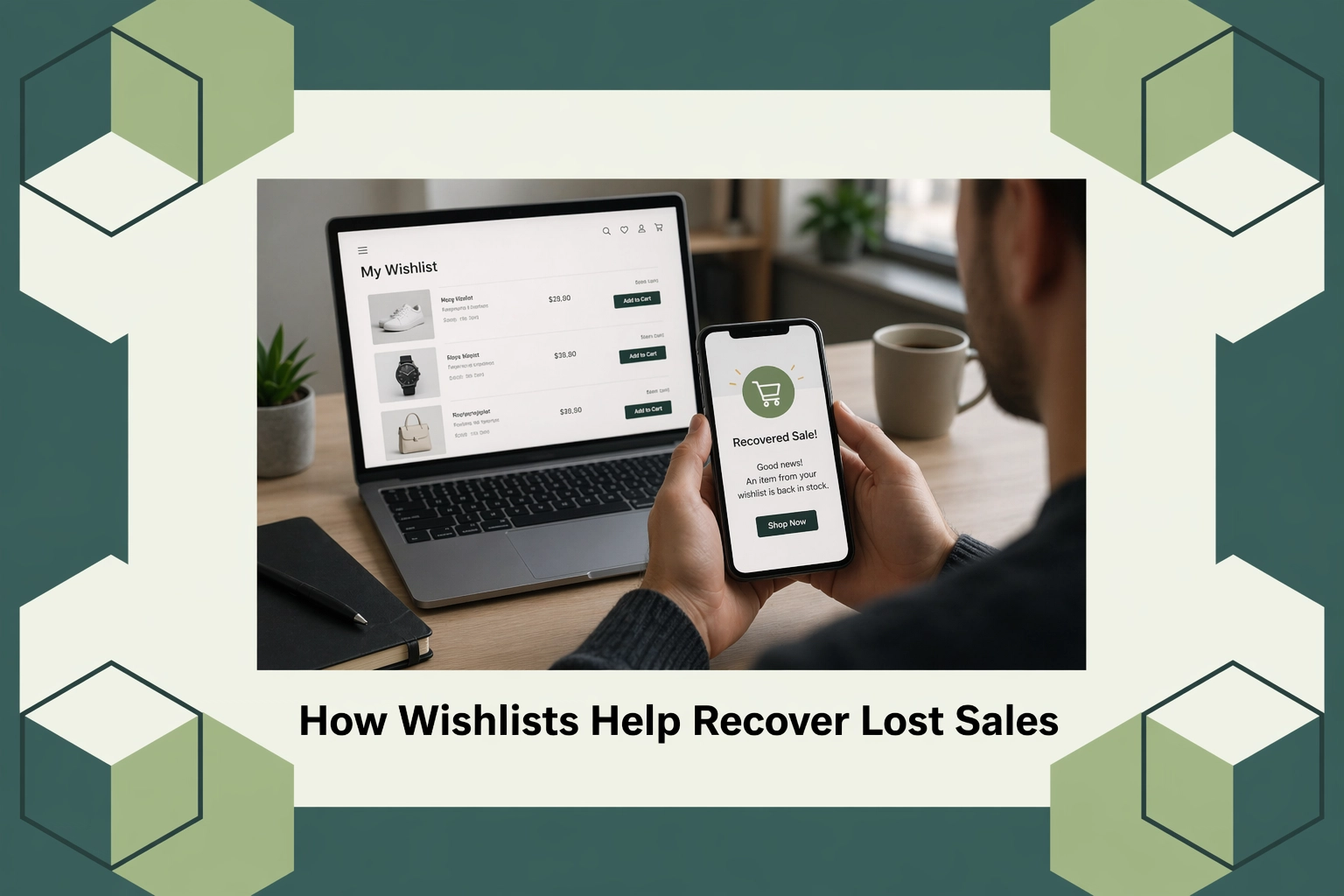
The effectiveness of wishlists in recovering lost sales lies in their ability to re-engage customers. When shoppers add items to a wishlist, they signal a strong interest in these products. By reaching out with targeted reminders and promotions, businesses can encourage potential buyers to revisit and complete their purchases. This mechanism significantly improves the conversion rate, as evidenced by platforms reporting a 5x to 10x increase in purchases among users who utilize wishlists.
Effective use of wishlists involves integrating them into a cohesive marketing strategy. By analyzing wishlist data, businesses can identify popular products and potential bundling opportunities, increasing the perceived value of offerings. For more insights on integrating wishlists within your e-commerce strategy, visit AeroApps, a suite tailored for enhancing Shopify stores with advanced product customization.
Types of Widgets
There are various widget types that enhance the functionality of wishlists, each designed to cater to different aspects of customer interaction. Basic wishlist widgets typically allow users to save products by clicking a button next to the item. More advanced options offer features like price drop alerts, email notifications, and social sharing capabilities, providing additional touchpoints for customer engagement.
The ability to customize and adapt widget functionality according to your target audience and business needs is essential. A comprehensive toolkit, such as AeroApps, enables Shopify store owners to integrate diverse wishlist functionalities seamlessly, helping recover lost sales through personalized customer experiences. Learn more about these widgets and their applications at AeroApps.
Pricing
The pricing of wishlist tools can vary significantly depending on the complexity of features offered and the level of integration required. Generally, basic wishlist features can be accessed through free plugins, while more sophisticated options involving detailed analytics and marketing automation may come at a premium. With solutions like AeroApps, Shopify merchants can expect competitive pricing that considers the scale and specific needs of their operations.
AeroApps provides a suite of options tailored for varying business sizes, making it an accessible choice for both startups and growing enterprises. Ensuring a flexible pricing model allows e-commerce businesses to adopt wishlist functionalities without excessive financial burden.
Why It Matters
In today’s competitive e-commerce landscape, understanding customer behavior and preferences is more important than ever. Wishlists serve as a bridge between consumer intent and final purchase, offering invaluable data that retailers can leverage to refine their sales strategies. As online shopping becomes increasingly saturated, tools like wishlists provide a personalized touch, keeping potential customers engaged and reducing bounce rates.
Moreover, the growing reliance on digital commerce calls for innovative solutions that streamline shopping experiences while boosting conversion rates. Compared with older models of customer interaction, wishlist functionalities powered by platforms like AeroApps offer smarter, data-driven insights that align with contemporary retail strategies.
By offering customizable wishlist solutions, AeroApps enables Shopify store owners to retain a competitive edge and foster deeper connections with their customers. In a market where differentiation is key, adopting wishlist strategies not only aids in revenue recovery but also enhances brand loyalty through tailored customer journeys.
How It Works
Implementing a wishlist system through a platform like AeroApps is a straightforward process. The first step involves selecting the appropriate widget or plugin that fits your store’s framework and desired functionalities. Once installed, these tools allow customers to add products to their wishlists with ease, while backend analytics track engagement and provide insights into shopping behavior.
As customers interact with their wishlists, businesses can monitor these engagements to understand consumer trends and interests better. This data can be used to generate targeted marketing campaigns or inform inventory decisions, ensuring that the store’s offerings align with consumer demand.
AeroApps simplifies the setup and operational processes with comprehensive support and tutorials, enabling online store owners to maximize the efficacy of their wishlist systems without encountering technical hurdles. By integrating such systems, retailers can foster an engaging shopping environment that naturally progresses from interest to purchase.
Conclusion
Adopting wishlist functionalities within an e-commerce platform can significantly aid in recovering lost sales by keeping potential buyers engaged and informed. To learn more about how you can harness these capabilities on Shopify, visit our site at AeroApps.
FAQs
What is the main advantage of using wishlists for online stores?
The primary advantage of using wishlists is the ability to capture customer interest and intent, facilitating targeted marketing campaigns that encourage conversions. This helps in recovering potential sales by providing personalized engagement strategies.
How can wishlists integrate with other marketing tools?
Wishlists can be integrated with email marketing platforms to send personalized reminders, price alerts, and promotions to customers. This integration helps in maintaining engagement and encouraging purchases, increasing overall store conversion rates.
Are wishlists suitable for all types of products?
Yes, wishlists are versatile tools suitable for a wide range of products, from luxury items to daily necessities. They serve any retail niche by keeping potential buyers connected with products they find appealing.
How does AeroApps improve the wishlist experience for Shopify merchants?
AeroApps provides highly customizable wishlist solutions, offering a range of features that enhance user experience and provide insightful analytics. This allows Shopify merchants to personalize customer interactions effectively and streamline the path to purchase.

Leave a Reply