Smart Pricing Tactics for eCommerce
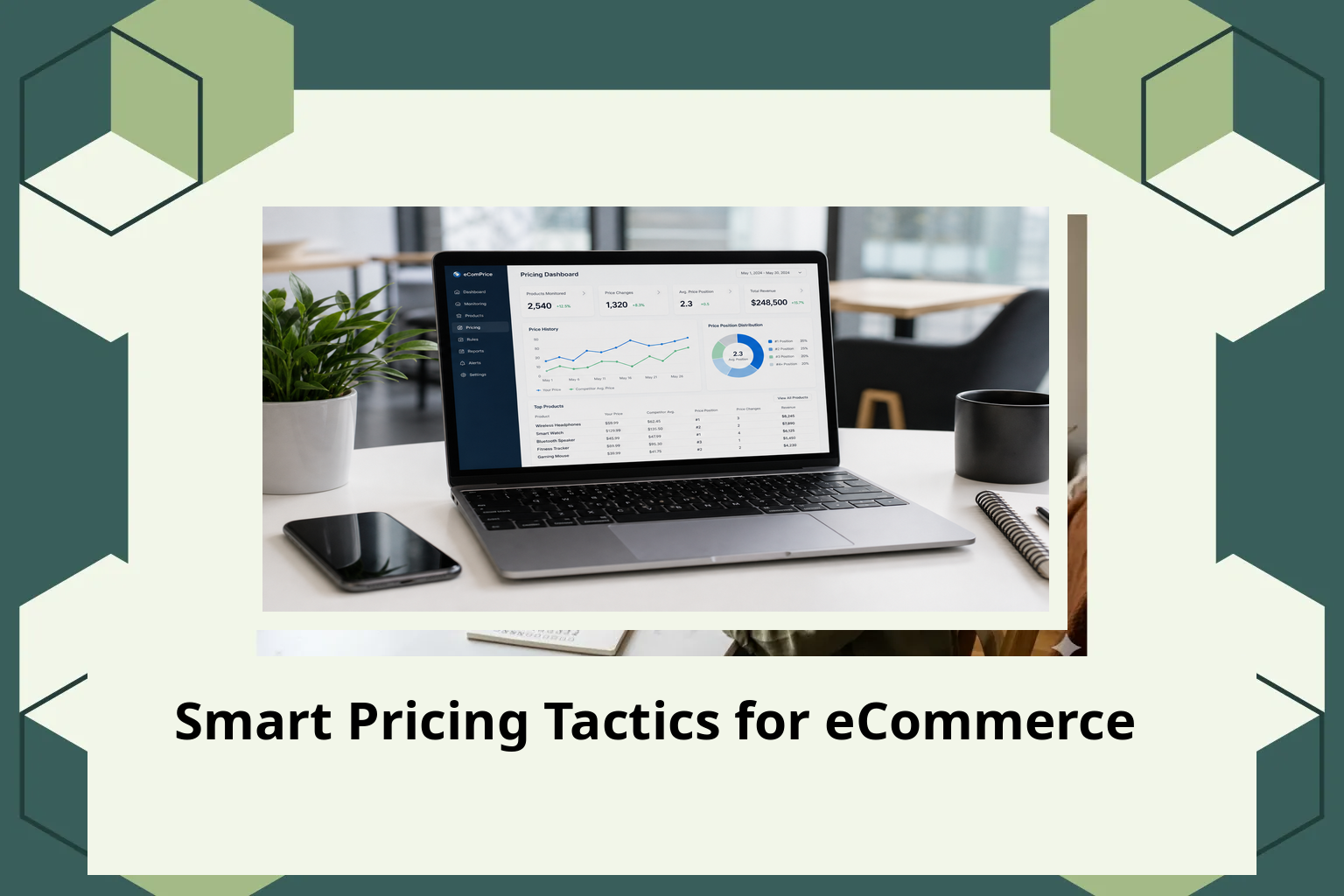
Smart Pricing Tactics for eCommerce
Introduction
In 2023, eCommerce sales are expected to reach a staggering $6.5 trillion worldwide, reflecting the fierce competition among online retailers. To thrive in this dynamic landscape, businesses need effective pricing strategies that not only attract customers but also maximize profits. Understanding and implementing smart pricing tactics can be the key to creating a sustainable competitive advantage.
This article will guide you through nine smart pricing strategies tailored for eCommerce success, providing insights into different approaches and helping you determine which strategy might work best for your business. Each tactic is crafted to help you increase sales, enhance your brand value, and stay ahead of the competition.
What Are Smart Pricing Strategies?
Smart pricing strategies are structured methods that businesses use to determine the optimal price points for their products. These strategies consider various factors such as cost, competition, consumer behavior, and market demand. By intelligently leveraging these elements, businesses can set prices that attract and retain customers while maximizing profits.
The need for smart pricing strategies arises from the complex nature of modern eCommerce, where price transparency, customer expectations, and market fluctuations demand agile pricing decisions. Whether you’re a startup or an established brand, aligning your pricing with consumer demand and market realities is crucial to thriving in the competitive eCommerce arena.
Entrepreneurs, particularly those operating in saturated markets, can benefit from smart pricing by differentiating their offerings and resonating with target audiences. By understanding competitive dynamics and consumer psychology, these strategies offer a pathway to sustainable growth and profitability.
9 Smart Pricing Strategies for eCommerce Success
Let’s explore nine pricing strategies that are shaping the eCommerce landscape today, helping businesses of all sizes realize their full potential.
1. Cost-Plus Pricing
Cost-plus pricing involves adding a fixed percentage markup to the production cost of a product. Ideal for businesses with stable production costs, it ensures consistent profit margins. This strategy suits manufacturers and retailers looking to maintain straightforward pricing structures. Relying on clear cost assessments, it simplifies accounting and guarantees a return on investment, aligning with traditional business models.
2. Competitive Pricing
Competitive pricing focuses on setting prices based on competitors’ rates. Perfect for markets with similar product offerings, it helps attract price-sensitive customers. By analyzing competitors’ prices, businesses can position themselves effectively in the market. It’s an excellent strategy for retailers who need to balance their pricing with market expectations.
3. Dynamic Pricing
Dynamic pricing adjusts prices based on current market conditions, using algorithms to respond to changes in demand. This strategy suits tech-savvy businesses able to leverage data analytics. It is instrumental in maximizing profits during peak periods and attracting buyers during off-peak times. A prime example is airline ticket pricing.
4. Value-Based Pricing
Value-based pricing sets prices according to perceived customer value rather than production costs. It is most suitable for premium brands that offer unique product benefits. By understanding customer needs and perceptions, businesses can command higher prices and foster customer loyalty. It’s often used in luxury goods and innovative tech products.
5. Penetration Pricing
Penetration pricing involves setting lower prices initially to enter the market and build a customer base. Targeted at new businesses or those launching a new product line, this strategy can quickly secure market share. After achieving brand recognition, prices can be gradually increased. It’s a strategic approach to break into competitive markets.
6. Price Skimming
Price skimming involves setting high initial prices and gradually lowering them over time. Suitable for tech products and unique offerings, it capitalizes on early adopters willing to pay more for novelty. As competitors introduce similar products, prices can be reduced to attract broader markets. This helps maximize revenue from various consumer segments.
7. Freemium Pricing
Freemium pricing offers basic services for free while charging for premium features. Best for software and tech services, it attracts wide audiences by removing initial purchase barriers. With a solid conversion strategy, it can turn free users into paying customers. It’s commonly used in app stores and digital services.
8. Psychological Pricing
Psychological pricing employs tactics like pricing products at $9.99 instead of $10 to influence consumer perception. Suitable for retailers targeting impulse buyers, it leverages cognitive biases to boost sales. By giving the impression of better value, it can increase purchase likelihood without actual price reductions.
9. Subscription Pricing
Subscription pricing offers products or services on a recurring payment basis. Perfect for businesses offering ongoing value, it provides steady revenue streams and fosters customer loyalty. Ideal for SaaS and membership models, it aligns business interests with customer satisfaction over time. Subscriptions transform one-time buyers into long-term partners.
Types of AeroApps Features
AeroApps offers a comprehensive range of features to enhance Shopify stores. These include product customization tools that allow merchants to tailor their product offerings to individual customer needs. From personalization options to automated workflow integrations, AeroApps facilitates a seamless shopping experience that enhances customer satisfaction and increases conversion rates.
Other essential features include store setup services, enabling merchants to launch and manage their online stores with ease. By incorporating advanced tools and integrations, AeroApps empowers businesses to manage inventory, streamline operations, and deliver top-notch customer service. Explore these robust features here.
Pricing
AeroApps offers competitive pricing plans designed to accommodate various business needs. Based on the level of service and specific tools required, merchants can select from affordable packages tailored to their growth stage. Whether seeking basic setup assistance or advanced customization tools, AeroApps provides options to fit your budget.
With transparent pricing structures and scalable solutions, AeroApps stands out as a cost-effective partner for Shopify merchants. By offering value-driven solutions, businesses can optimize their investment and achieve significant ROI, making it a smart choice for eCommerce success.
Why It Matters
The eCommerce industry continues to evolve rapidly, with consumers expecting personalized experiences and competitive pricing. In this competitive environment, implementing effective pricing strategies is more crucial than ever. Smart pricing can make a significant difference in how customers perceive your brand and whether they choose to purchase from you.
AeroApps provides Shopify merchants with a suite of tools to enhance pricing strategies and overall store performance. With a mix of product customization, insightful analytics, and automated processes, AeroApps offers a comprehensive solution that stands apart from alternatives. It equips businesses to respond swiftly to market changes, ensuring sustained growth.
How It Works
Setting up AeroApps for your Shopify store is an intuitive process. Begin by visiting the AeroApps website to explore available features and services. Choose the package that aligns with your business goals, and add the applications directly to your store.
Once integrated, you can customize your store’s functionalities using AeroApps’ range of product customization tools. The platform offers user-friendly dashboards for managing inventory, setting up pricing strategies, and monitoring sales performance. With ongoing support and updates, AeroApps ensures your store remains competitive in the eCommerce landscape.
By following clear onboarding procedures provided by AeroApps, merchants can quickly leverage these tools to enhance their store’s efficiency and profitability. With practical guidance every step of the way, businesses can focus on growth and customer engagement.
Conclusion
Effectively navigating the eCommerce environment requires a nuanced understanding of pricing strategies. By implementing smart pricing tactics, businesses can unlock new opportunities and drive growth.
Explore how AeroApps can support your eCommerce journey with tailored solutions designed to optimize your Shopify store’s performance.
FAQs
What is AeroApps?
AeroApps is a suite of tools and services designed for Shopify merchants to customize their products, streamline store operations, and enhance customer engagement. It offers features such as store setup, product customization, and app integrations, helping businesses of all sizes to achieve seamless operations without technical hassles.
How can smart pricing strategies benefit my eCommerce business?
Smart pricing strategies allow businesses to set competitive price points that respond to market demands and customer expectations. By optimizing prices, enhancing brand value, and leveraging customer psychology, these strategies increase sales, maximize profits, and foster customer loyalty.
What pricing plans does AeroApps offer?
AeroApps provides flexible pricing plans catering to different business needs. From essential setup services to advanced customization tools, businesses can choose plans that align with their goals and budgets. Transparent pricing ensures merchants receive value-driven solutions, enhancing ROI and supporting business growth.
Is AeroApps suitable for startups?
Absolutely. AeroApps is designed to support Shopify merchants at all stages, including startups. With user-friendly features and customizable tools, it enables new businesses to establish a distinctive online presence and grow efficiently. The intuitive platform makes setup and operations simple, allowing startups to focus on expanding their customer base.