
Wishlist vs Cart: What Converts Better
Wishlist vs Cart: What Converts Better
Introduction
In the ever-evolving landscape of e-commerce, understanding consumer behavior is crucial for optimizing conversion rates. Recent reports indicate that the global average cart abandonment rate hovers around 70%, illustrating a significant challenge for online retailers. This statistic underscores the importance of strategically leveraging tools like wishlists and carts to influence purchasing decisions.
This blog will explore the distinct roles that wishlists and carts play in the customer journey. We will examine their respective functions, types of widgets available, associated pricing, and why understanding these elements can enhance your conversion strategies. By the end, you will gain insights into which approach might better suit your business needs. The wishlist vs cart comparison is central to this analysis.
What Is Wishlist vs Cart
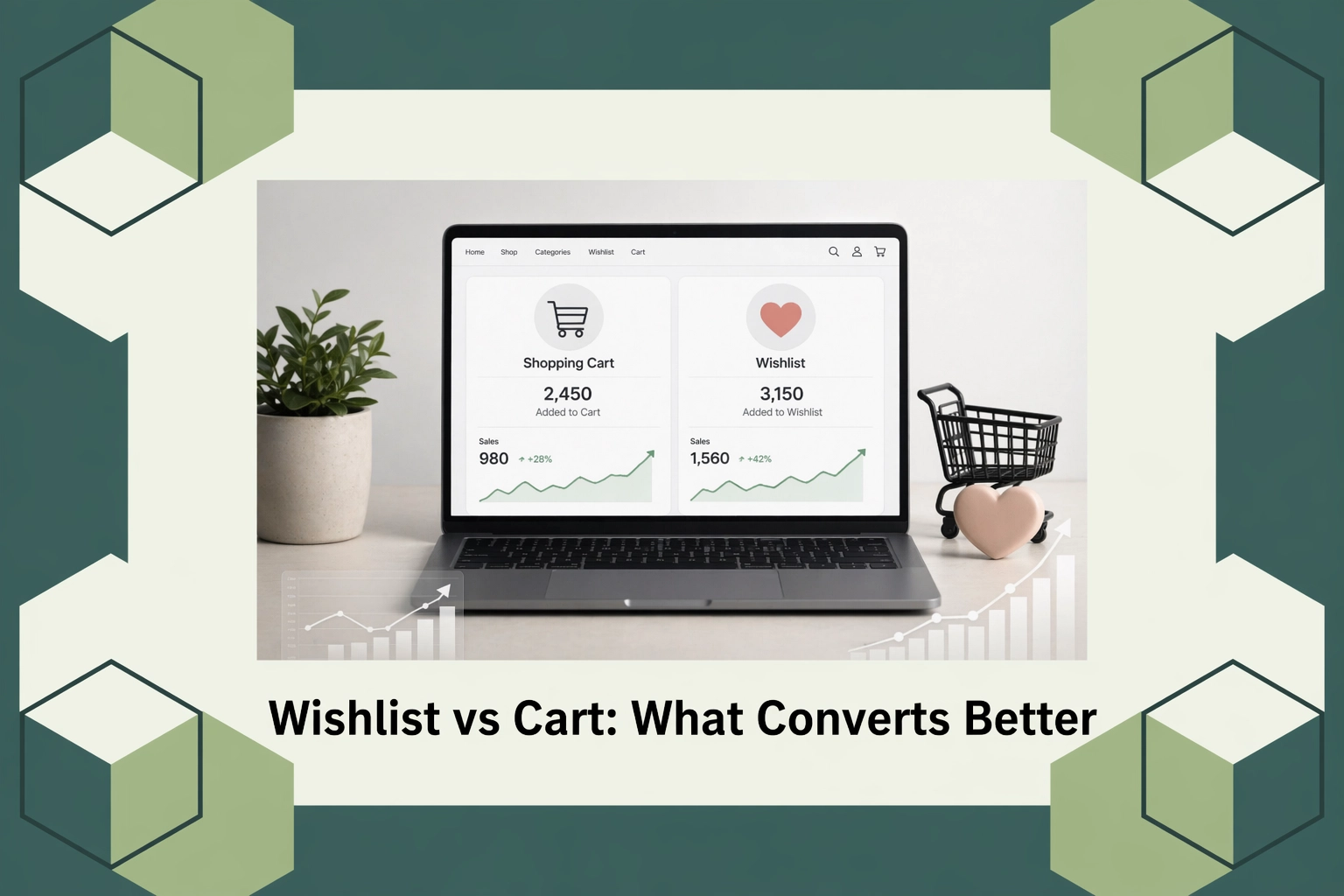
A wishlist serves as a personalized collection of desired products, allowing users to save items for future reference. Primarily used by consumers for planning and memory, wishlists are valuable tools for retailers to understand customer preferences and forecast demand trends. On the other hand, a shopping cart is an integral part of the purchasing process, representing high purchase intent. It facilitates immediate transactions, capturing the vital step between browsing and buying.
The distinctions between these tools are critical as they cater to different stages of the buyer’s journey. While the cart signifies readiness to purchase, the wishlist indicates a level of interest that has yet to convert into intent. Recognizing these differences helps businesses tailor their marketing strategies appropriately. Understanding the wishlist vs cart dynamic is key.
Wishlist vs Cart: Deep Dive
Examining the roles and impact of wishlists and carts illuminates their pivotal positions in e-commerce. For instance, while a cart can signify urgency due to promotional offers or stock limits, a wishlist allows flexibility and inspires future purchases by collecting consumer preferences over time. This dynamic can guide effective marketing campaigns.
Furthermore, using data from wishlists can drive personalized marketing efforts. For example, if a significant number of users are adding a particular product to their wishlist, targeted discounts could convert those wishlists into sales. To learn more about leveraging such insights efficiently, visit the AeroApps website.
Types of Widgets
Various widgets are available to enhance the functionality of wishlists and carts. For instance, AeroApps offers comprehensive customization tools that integrate smoothly with Shopify stores. These widgets allow merchants to personalize their storefronts and create more engaging user experiences. Explore our range of solutions to improve your store’s performance.
Choices include product preview features, sharing options for wishlists, and advanced cart functionalities that facilitate upselling and cross-selling. By deploying these tools, retailers can improve user engagement and influence conversion rates.
Pricing
The pricing for wishlist and cart tools can vary significantly based on features and integrations. For instance, AeroApps provides a suite of affordable and scalable services tailored to Shopify merchants. Their offering includes both free and premium versions, ensuring accessibility for businesses of all sizes.
The detailed pricing structure of AeroApps, coupled with their customer-centric approach, allows businesses to choose options that align with their specific needs and budget constraints.
Why It Matters
Embracing the nuanced roles of wishlists and carts is essential in today’s competitive market. With the rapid proliferation of e-commerce platforms, distinguishing between aspirational interest and purchase intent offers a strategic advantage. Retailers who harness the potential of both tools can refine their marketing strategies, ultimately boosting conversion rates.
Products like AeroApps enhance this process by offering tailored solutions that streamline operations while personalizing customer interactions. Their suite of apps empowers merchants to integrate these tools efficiently, ensuring minimal technical barriers. Check our apps collection for more details.
Compared to other solutions, AeroApps’ holistic approach provides a comprehensive toolkit that not only meets industry standards but exceeds expectations by focusing on adaptability and user-friendliness. Embracing these technologies supports proactive decision-making and offers retailers a competitive edge in personalization and engagement.
How It Works
Implementing wishlist and cart solutions requires a thoughtful approach. With AeroApps, you begin by installing their Shopify app, which immediately enhances your store’s capabilities. The app provides a seamless interface for adding wishlist functionality alongside sophisticated cart features.
The process involves customizing the appearance and settings to align with your branding. AeroApps’ flexibility ensures that merchants can easily modify aspects such as button design and placement, making the user experience intuitive and engaging.
Using AeroApps’ analytics dashboards, businesses can monitor wishlist and cart behaviors, offering insights that drive marketing decisions. This data-centric approach equips merchants with the knowledge to refine strategies, promoting not only higher conversion rates but also improved customer satisfaction.
Conclusion
Understanding the mechanics and advantages of wishlists and carts can greatly influence conversion success. To explore solutions that can propel your store’s growth, visit the AeroApps website today. Discover tools that bring personalization and efficiency to your e-commerce strategy.
FAQs
What are the key differences between a wishlist and a cart?
Wishlists are used to save products for future reference, often reflecting aspirational interest. Carts indicate a readiness to purchase and facilitate transactions. Leveraging both can enhance overall conversion strategies by catering to different customer needs.
How can AeroApps’ tools benefit my Shopify store?
AeroApps offers a suite of tools that integrate seamlessly with Shopify, enhancing storefront customization, user engagement, and conversion rates. Their widgets improve customer experience by personalizing interactions and simplifying navigation.
What should I consider when choosing between wishlist and cart functionalities?
Key considerations include understanding customer behavior, leveraging data from user interactions, and aligning tool choices with business goals. Choosing tools that offer flexibility and integration options, such as those from AeroApps, can provide added value.
Are there any costs associated with adding wishlist and cart functions through AeroApps?
AeroApps’ offerings vary, with both free and premium options available to meet diverse business needs. Their pricing model ensures accessibility, allowing businesses to select the package that fits their budget while maximizing functionality.