Best Ways to Collect Customer Data on Shopify
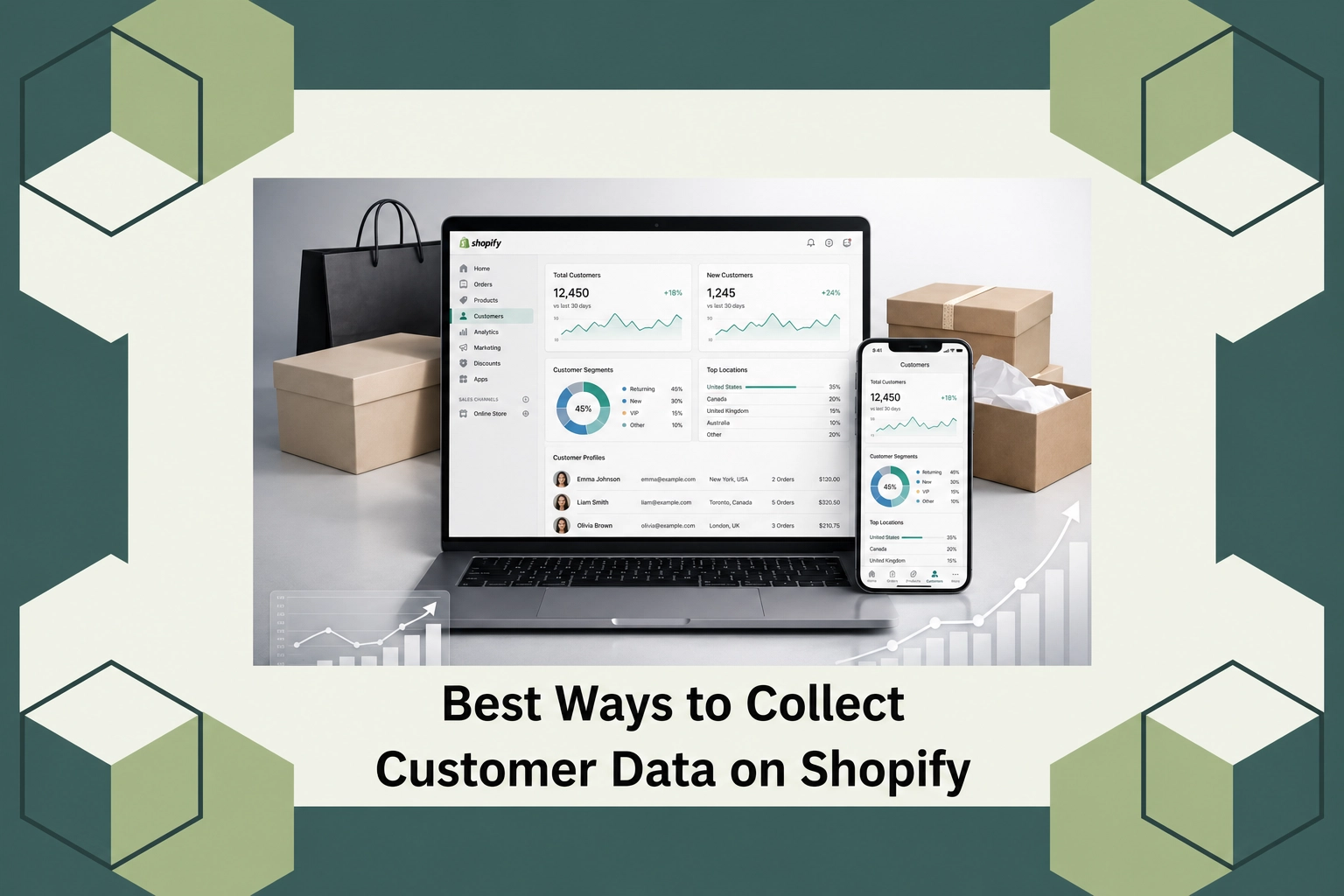
Best Ways to Collect Customer Data on Shopify
In the rapidly evolving world of e-commerce, understanding customer behavior is pivotal for success. A study found that businesses utilizing data-driven strategies are six times more likely to retain customers. As more stores migrate to Shopify for its robust platform offerings, collecting pertinent customer data has become imperative for optimizing marketing strategies and personalizing the shopping experience. This blog post dives into the best methods for collecting customer data on Shopify, enabling you to make informed decisions and enhance customer engagement effectively.
You’ll discover various methods of data collection suitable for Shopify, from basic customer interactions to advanced analytics, learn about the importance of these techniques, and explore how tools like AeroApps can streamline these processes.
What Is Customer Data Collection?
Customer data collection involves gathering information about individuals interacting with a business, aiming to understand and predict behavior. This can include contact information, transaction history, preferences, and more. As e-commerce evolves, collecting this data has become more sophisticated, aiming to provide customized experiences and improve customer retention.
The purpose of customer data collection is multifaceted. It helps businesses identify customer needs, tailor marketing campaigns, and ultimately drive sales. Whether for startups or established stores, understanding these insights is critical in an increasingly competitive market, especially on platforms like Shopify where customization and customer experience set brands apart.
Effective Customer Data Collection Strategies
Successful customer data collection on Shopify can be approached in several ways. For starters, using customer accounts encourages users to provide information like email addresses, purchase history, and preferences in exchange for a more personalized shopping experience. Shopify’s built-in features facilitate this through smooth account setups and optional registration prompting during checkout.
Additionally, integrating feedback forms and surveys post-purchase can yield insights into customer satisfaction and product performance. By embedding simple forms or utilizing Shopify applications that streamline this process, stores can gather qualitative data effortlessly. Utilizing a suite like AeroApps can integrate these collection techniques into your Shopify store, further simplifying the process.
Types of Widgets for Data Collection on Shopify
Widgets are essential tools in acquiring customer data efficiently. On Shopify, chatbots can be an invaluable asset as they engage customers in real-time, answering queries and collecting data through conversations. They provide a non-intrusive way of collecting information without disrupting the user experience.
Another effective type involves embedded forms within product or checkout pages. Pop-up newsletters or signup forms entice users to provide contact details in exchange for deals or content like blog updates. Widgets like these are a testament to how dynamic and customer-centric your Shopify store can become. Solutions available through AeroApps provide versatile applications that can elevate your data acquisition strategy without needing extensive technical knowledge.
Understanding Pricing for Data Collection Tools
Pricing for data collection tools on Shopify varies widely, depending on the complexity and capabilities of the tool. Some basic forms and survey apps may come at no cost or require a nominal subscription fee. More advanced tools that offer integration with analytics platforms and CRM systems may have tiered pricing models, offering different levels of access and features.
For example, AeroApps provides a suite of tools specifically designed for Shopify merchants. With pricing structured to accommodate various business sizes, AeroApps ensures that even small businesses can access premium tools necessary for effective data collection and analysis, helping tailor their approach without overspending.
Why Customer Data Collection Matters
Customer data collection has become pivotal in e-commerce due to its role in refining marketing strategies and enhancing user experiences. As e-commerce continues to grow, customers expect personalized interactions and products tailor-made for their preferences. Data collection enables brands to meet these expectations, providing personalized recommendations and improving customer satisfaction.
The e-commerce landscape is bustling with competitors, with the cost of acquisition rising, making retention key. By leveraging data, businesses can predict customer behavior, implement effective marketing strategies, and ultimately boost retention rates. In a saturated market like Shopify, the ability to personalize interactions and predict demands offers a competitive edge.
AeroApps provides a comprehensive solution with tools designed to help Shopify merchants collect, analyze, and utilize customer data effectively. Its integration capabilities ensure that businesses can focus on strategic decisions without worrying about the technical intricacies of data management, making it a strong ally for anyone looking to enhance their Shopify operations.
How AeroApps Works in Data Collection
AeroApps operates as a comprehensive platform intertwining data collection, product customization, and store management on Shopify. The suite of tools offered is designed to be user-friendly, accommodating various levels of technical expertise. Getting started with AeroApps involves integrating it into your Shopify store through a straightforward installation process accessible from the Shopify App Store.
The platform offers several applications designed specifically for enhanced customer interactions — customizable forms, interactive widgets, and analytics integrations that function seamlessly with Shopify’s existing architecture. This dynamic integration allows for straightforward data collection, from capturing email addresses to conducting detailed customer surveys.
Furthermore, AeroApps’ support services ensure that businesses are not only equipped with the tools needed for effective data collection but also guidance on optimizing their usage. This enables a smooth transition from data collection to actionable insights, empowering Shopify merchants at every stage of their business journey.
Conclusion
The process of collecting customer data on Shopify, though potentially complex, can be significantly streamlined using the right strategies and tools. AeroApps provides a tailored solution to achieving efficient and organized data collection, allowing businesses to enhance both their customer engagement and decision-making processes. Learn more about these solutions by visiting AeroApps.
FAQs
What types of data should I focus on collecting?
Focus on data that provides actionable insights such as purchase history, customer demographics, and engagement metrics. This information can help tailor marketing strategies and product offerings to better meet customer needs.
How can I ensure my customers’ data is secure?
Implement secure data practices, comply with GDPR and other related regulations, and use encrypted data storage solutions. Additionally, be transparent with your customers about what data you’re collecting and how you’re going to use it.
Are there any cost-effective tools available for data collection on Shopify?
Yes, there are several cost-effective tools, including some free options, available on the Shopify App Store. Tools such as AeroApps offer tiered pricing that allows SMBs to start with a budget-friendly option and scale as needed.
What challenges might I face when collecting customer data?
Challenges may include technological barriers, data privacy concerns, and integrating multiple data sources into a cohesive system. Utilizing a solution like AeroApps can help address these issues by offering seamless integration and comprehensive support.